


10 Habits of a Professional Organizer for a Calm, Clutter-Free Home
Life is busy and unpredictable, which is why I rely on simple systems and daily habits to keep my home and mind calm. These strategies don’t require perfection; they just need consistency. Because they’re built into my routine, they help me reset quickly, even when life gets hectic. So here are the 10 habits I almost always follow that make the most significant impact.
#1 Automate & Schedule Tasks as Much As Possible

When decision fatigue sets in, automation is your friend. I’ve built small routines into my week (and beyond) so I don’t have to reinvent the wheel; one load of laundry every morning (Monday through Friday), meal planning and groceries on Saturdays, toy edits in May and November, clothing edits at the beginning of fall and spring, seasonal decorating the last week of September and after Remembrance Day, daily workouts first thing when I wake up, and so on.
The more you can tie tasks to specific times or days, the less brain power you waste deciding when to do them.
#2: Write Everything Down
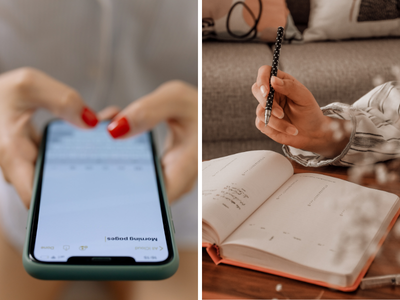
If it’s not written down, it won’t get remembered, at least not by me! I rely on a combination of shared family calendars, phone lists, and phone alarms so that tasks, appointments, and little reminders aren’t floating in my head.
As a result, family members know (or can find out) what’s happening and when without constantly checking in. Additionally, keeping a phone note of things like seasonal wear and wrapping supply needs when I pack them away at the end of each season ensures I know exactly what I need (and don’t need) when they appear in stores the following year.
For a one-page free printable daily planner, click here and for tips to get the most out of it, click here.
#3: Follow the One-In-One-Out Rule
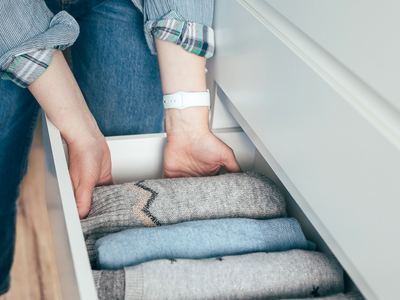
Clutter creeps in quickly if you let it. To avoid this, I follow the simple but powerful one-in-one-out Rule: if something new comes in, something old goes out. New sweater, donate an old one. New toy? Out goes a toy that’s no longer loved.
This practice keeps belongings in check, preventing them from overflowing and becoming overwhelming.
#4: Practice Regular Decluttering
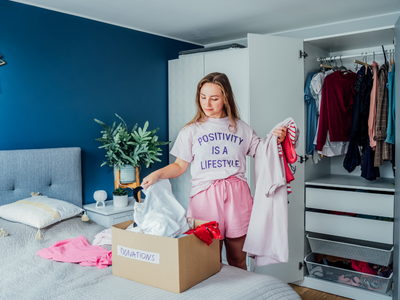
Decluttering isn’t just a one-time project; it’s an ongoing practice in my home. In addition to following the one-in-one-out practice, I edit clothes, games, puzzles and toys twice a year. I edit seasonal décor every year when I’m packing it away, and as already mentioned above, I edit clothing twice a year, to name just a few.
This practice keeps belongings in check, preventing them from overflowing and becoming overwhelming.
#5: Give Everything A Home

If something doesn’t have a home, it will become clutter. I create dedicated homes for everything in our house, including the usual everyday household items, but also a donation box where items we decide to let go of live until we make a donation run, a “leaving box” for items to be returned to other people or stores; a spot for specialty disposal items like dead batteries and broken electronics, a paper spot for any mail or paper work coming into the house, and a place for “good” boxes we want to repurpose.
Once there’s a designated home, cleanup becomes easier, and clutter has fewer opportunities to spread.
#6: Follow the 2-Minute Rule

Also known as the “don’t put it down, put it away” Rule. If something takes less than two minutes, I do it. Putting scissors away, hanging up jackets, junk mail into recycling, shredding a document, clothes into the hamper, dishes into the dishwasher and so on.
These tiny actions prevent tasks from snowballing into stressful messes.
#7: Don’t Leave a Room Empty-Handed

Another simple but effective time-saver is never leaving a room empty-handed. Going to the kitchen? Pick up the mug or water bottle. Walking upstairs? Take the laundry basket.
These little efficiencies layer together, reducing the time I spend “tidying up” later.
#8: Do a Nightly 10-Minute Tidy
We’re not perfect and don’t always follow the 2-minute Rule or the “don’t leave a room empty-handed” Rule. So, we also practice the 10-minute tidy each evening. As a family, we spend 10 minutes gathering items and returning them to their homes.
The impact of waking up to a fresh and tidy space instead of yesterday’s mess is huge.
#9: Maintain and Re-set Your Systems
Even the best systems require regular maintenance and care. I regularly check in on my organization setups to ensure they’re still working for us, as needs and habits change over time. For example, I perform a quick pantry reset weekly or every two weeks. However, this process takes only minutes instead of hours because a framework is already in place.
Regular attention prevents systems from breaking down and keeps things running smoothly long term.
#10: Give Yourself Grace

And here’s the most important one: I give myself grace. I don’t do all these things perfectly or every day. Life gets hectic, and some weeks are messier than others. But the beautiful thing about the right systems is they’re forgiving.
Because I stick with these habits most of the time, I can always reset without a total overhaul. Neither I nor my home needs to be perfect to feel calm, and the same applies to you and your home, too!
Final Thoughts
Calm doesn’t just happen; it’s something we create through repetition, consistency and kindness to ourselves. These are 10 simple habits that when practiced together, develop systems that save me time, reduce clutter and improve my peace of mind, even on the days life feels overwhelming.
These things I almost always do are key to maintaining calm in my home and life, but the things I don’t do also matter. Come back next month when I’ll share the 10 things I almost never do that make just as significant an impact in keeping clutter away and my life balanced, regardless of what else is happening.
Happy Organizing!

0 comments